If your face feels clean in the squeaky, tight sense after washing, that feeling is usually the cleanser removing more than dirt. For sensitive skin that also breaks out, the choice gets harder: the products that promise to clear blemishes often leave skin red and stinging, and the very mild ones can seem too gentle to help. This guide covers how to choose among the best cleansers for sensitive acne-prone skin, using one simple test and a clear idea of which ingredients and textures to favor.
Why a cleanser that feels squeaky clean is often the problem
That tight, almost creaky feeling comes from surfactants, the cleaning agents in a wash, pulling away natural skin oils along with sweat, sunscreen and makeup. Your skin’s outer layer relies on those oils and on its own fats, such as ceramides, to hold water in and keep irritants out. When the cleanser takes too much, that protective layer weakens.
A weakened barrier loses water faster and reacts more easily. Products that were fine last month start to sting, and redness shows up around the nose and cheeks. Many people with breakout-prone skin respond to this by washing more often or switching to something stronger, which strips the barrier further.
Irritated skin can also produce more breakouts. Inflammation makes existing blemishes redder and slower to settle, and a dry, flaky surface can trap oil in pores. So the cleanser that feels like it is fighting acne can be keeping it going.
There is an extra reason to take this seriously after 30 and especially past 50. Skin makes less oil as the years go on, and the barrier tends to recover more slowly. A wash that suited you in your twenties can be too much now, even if your skin still breaks out.
The tight-face test: how to tell if your cleanser is stripping your barrier
The test is simple. Wash your face as usual, rinse with lukewarm water, and pat dry with a clean towel. Then wait two or three minutes without applying anything else, and notice how your skin feels.
Signs the cleanser suits you:
- The skin feels soft, calm and comfortable, as if you had not just washed it.
- There is no pulling when you smile or raise your eyebrows.
- There is no warmth, tingling or stinging.
- Your face looks the same color as before, not pinker.
Signs it is too harsh:
- The skin feels tight, dry or “squeaky.”
- The cheeks or the area around your nose look flushed.
- You feel an urge to apply moisturizer right away to relieve discomfort.
- Some spots flake a few hours later.
Run the test for several days, not once. Skin varies with weather, stress and hormones, so a single comfortable wash tells you less than a week of them. If the answer is “tight” more often than not, the cleanser is the first thing to change.
One caution: a cleanser that leaves skin comfortable but does not remove sunscreen or makeup is not doing its whole job. Residue left on skin can clog pores. If you wear either, a gentle first cleanse in the evening (a milk or balm, covered below) followed by a gentle second wash is a sensible approach.
Gel, cream, milk or balm: which texture suits sensitive, breakout-prone skin
Texture is a good shortcut, because it tells you roughly how strong the cleansing agents are and how much cushioning the formula adds. None of these is automatically right or wrong, but they behave differently.
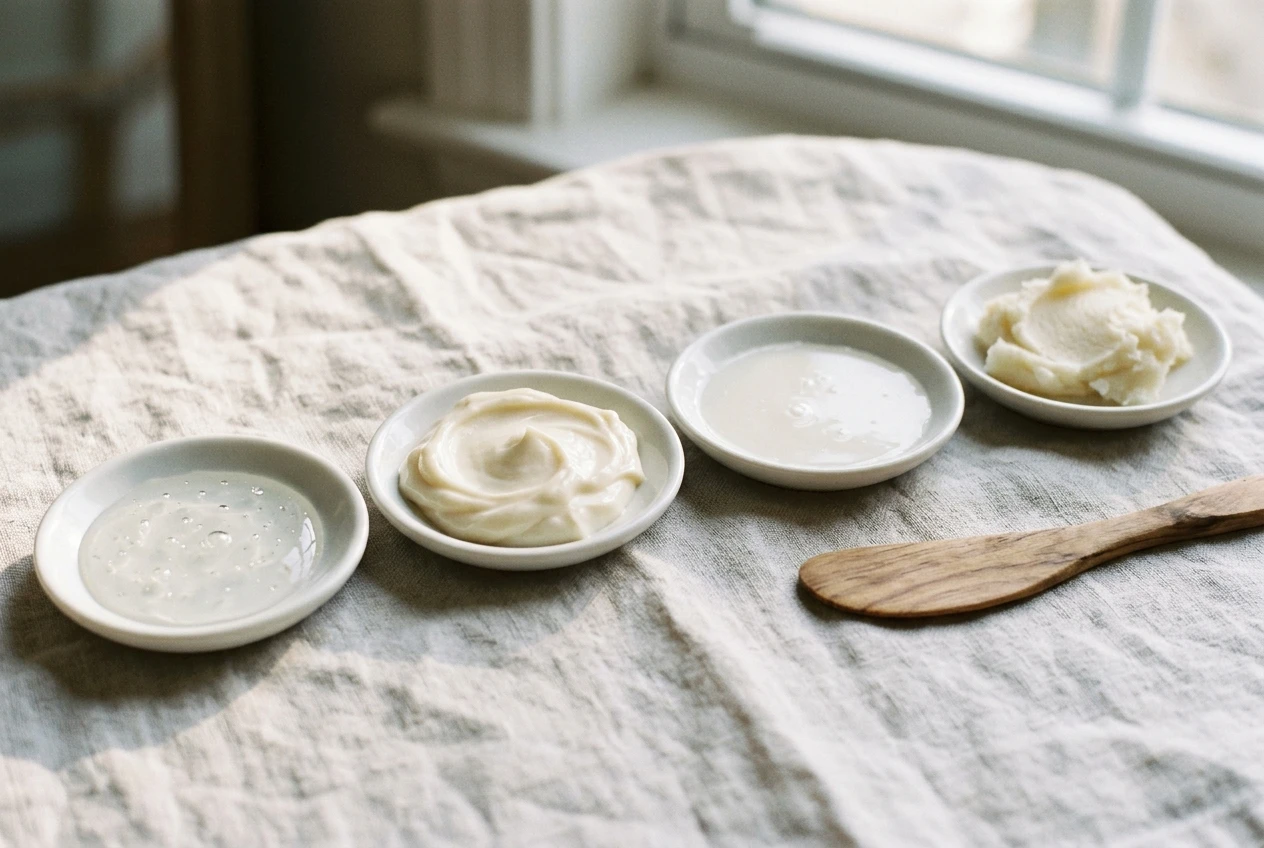
Gel cleansers
Gels tend to be the lightest on the skin’s surface and rinse off cleanly, which suits oilier areas. Many foaming gels, however, rely on strong surfactants that strip. Look for gels labeled as gentle, low-foam or hydrating, and skip any that make a thick lather. A mild gel can work well if your skin is oily in the T-zone but reactive elsewhere.
Cream and lotion cleansers
These are usually the safest starting point for skin that is sensitive first and breakout-prone second. They contain softening ingredients that leave a thin comfortable layer, and they clean without much foam. The worry with creams is feeling greasy or leaving residue, so rinse thoroughly. Choose one marked non-comedogenic if you break out along the jaw and chin.
Milk cleansers
A milk is a lighter cousin of the cream, often used with cotton pads or simply rinsed off. Milks are very mild and suit skin that is dry, mature or easily inflamed. They remove light makeup and sunscreen reasonably well, but some people find them not thorough enough on oily days.
Cleansing balms and oils
Balms dissolve sunscreen and makeup well and do not strip, which makes them attractive for sensitive skin. For breakout-prone skin, though, they can be too rich, and some contain plant oils or fragrance that irritate. If you want to try one, use it only in the evening when you need to remove products, rinse it off completely, and follow with a gentle cream or gel wash. If your breakouts increase, drop it.
A rough guide: cream or lotion for most reactive, breakout-prone skin; mild gel if you are quite oily; milk if you are dry or mature; balm only as an occasional first cleanse.
Ingredients to look for, and the ones worth avoiding when your skin reacts easily
Read the ingredient list on the back, not the claims on the front. Ingredients are listed from highest amount to lowest, so what sits near the top matters most. Formulas change over time, so check the current label before you buy.
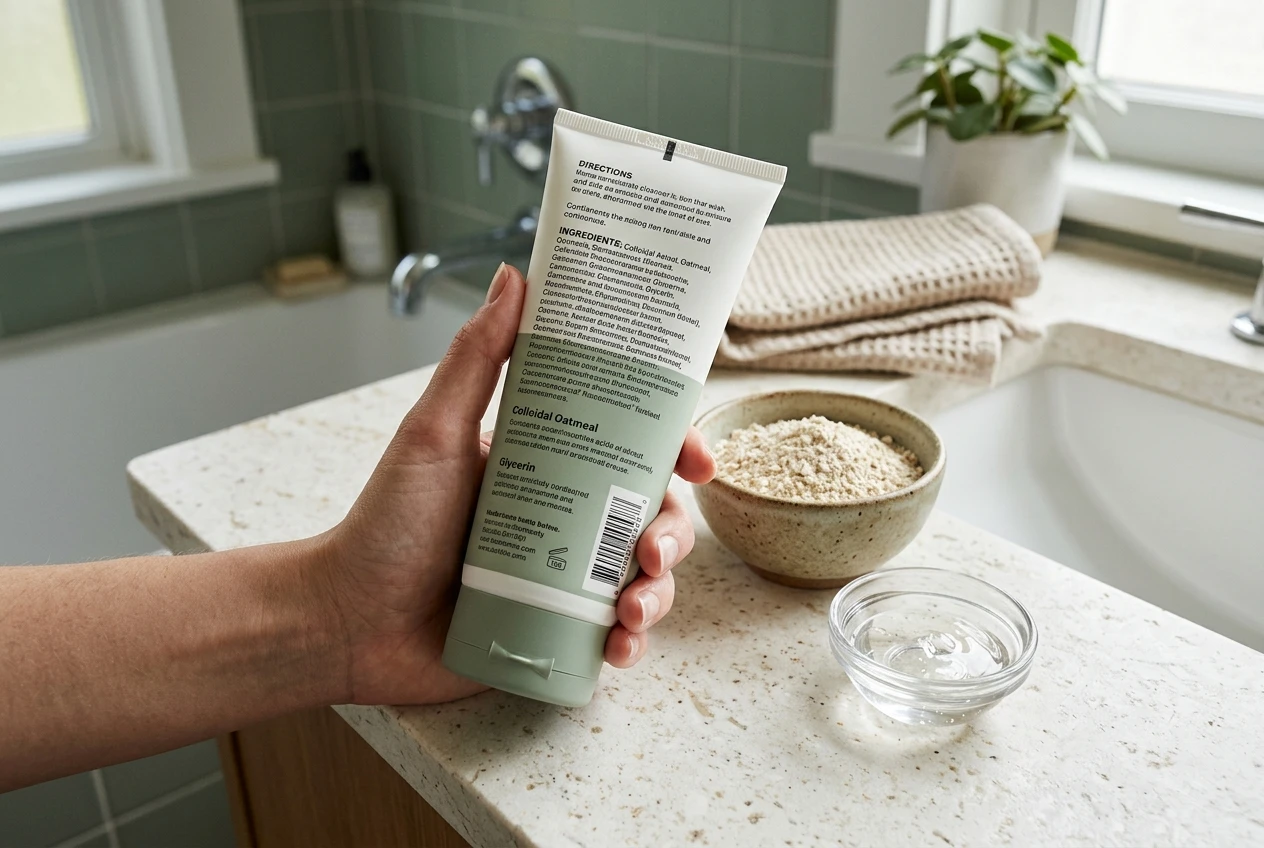
Worth looking for
- Glycerin: a humectant that draws water into the skin and makes a wash feel softer.
- Ceramides: fats that occur naturally in the barrier. Cleansers with ceramides aim to leave it better supported.
- Panthenol (vitamin B5), allantoin and colloidal oatmeal: commonly used to soothe skin that feels irritated.
- Niacinamide: often included for calming and for helping with the look of redness and oiliness. Some reactive skin dislikes higher amounts, so notice how yours responds.
- Hyaluronic acid: another water-binding ingredient, helpful if your skin feels dry after washing.
- Mild surfactants such as cocamidopropyl betaine or glucosides. These clean without being aggressive, though a small number of people react even to these, which is why patch testing matters.
Worth avoiding when skin reacts easily
- Fragrance and essential oils (including lavender, citrus and peppermint oils). These are among the most frequent triggers of stinging and redness, and they add nothing to how well a cleanser works.
- Sodium lauryl sulfate and similar strong sulfates: effective at removing oil, but a common reason skin feels tight.
- Denatured alcohol high on the list, which dries the surface.
- Physical scrubs with crushed shells, pits or coarse grains. They scratch irritated skin and can spread breakouts.
- Traditional bar soap, which is often alkaline and pushes skin away from its natural, slightly acidic state.
- Menthol or “tingling” ingredients. The cooling sensation is irritation, not cleaning.
What about salicylic acid in a cleanser?
Salicylic acid is a well-known ingredient for clogged pores, and it appears in many acne washes. In a cleanser it stays on your skin for only seconds, so it is milder than a leave-on product, but it can still be too much for reactive skin. If you want to try one, begin with a gentle non-medicated cleanser as your base. Add a salicylic cleanser only once or twice a week, and stop if you see stinging or flaking. Anyone with persistent or painful acne should check with a dermatologist before treating it with several active products.
Gentle cleansers worth comparing, and who each one suits
These are widely available, fragrance-free or low-irritation options to compare, rather than a ranking. Formulas and ingredient lists change, so read the label on the one you buy and confirm it matches what you are looking for.
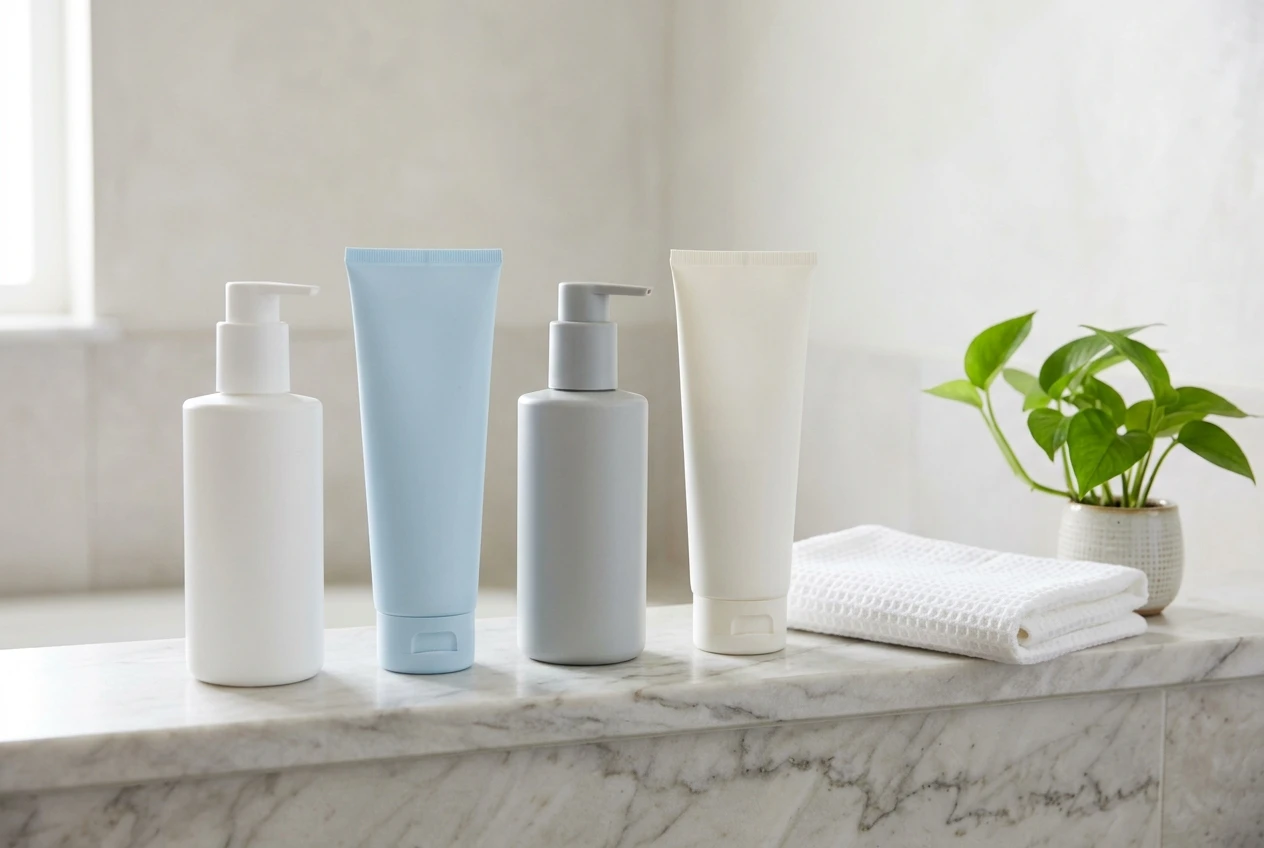
Vanicream Gentle Facial Cleanser. A pared-back cream-style wash made for people whose skin reacts to a lot of things. It suits you if your main problem is irritation from additives and you want the shortest ingredient list possible.
CeraVe Hydrating Facial Cleanser. A non-foaming, cream-to-lotion wash that features ceramides and hyaluronic acid. It suits skin that feels dry or tight after washing and still gets the occasional breakout, especially in the cooler months.
La Roche-Posay Toleriane Hydrating Gentle Cleanser. A gentle, creamy wash made for sensitive skin, with ceramide-3 and niacinamide among its ingredients. It suits skin that is easily flushed and that likes a soft, soothing feel when washing.
Cetaphil Gentle Skin Cleanser. A long-standing, simple wash that can be used with water or wiped off. It suits skin that is mature or very reactive and wants an undemanding, familiar formula for both morning and evening.
A mild gel from the same brands. If your skin is oily through the center of the face, several of these brands also make a lighter, low-foam gel version. Choose it over the cream if cream cleansers leave a film or a heavy feel.
When comparing, put your top two against the tight-face test, not against online reviews. A cleanser with glowing reviews can still leave your own skin tight.
How to wash your face so you calm breakouts instead of feeding them
Technique matters nearly as much as the product. Most irritation from washing comes from heat and friction.

- Use lukewarm water. Hot water strips oils and flushes already reactive skin.
- Wash with your fingertips. Washcloths, brushes and sponges add friction. If you use a cloth, make sure it is soft and clean.
- Take 30 to 60 seconds. Massage gently in small circles and give the cleanser a little time to work. Rushing leaves residue, and scrubbing causes irritation.
- Rinse until the skin feels slip-free. Leftover cleanser is a hidden cause of dryness and clogged pores, particularly along the hairline and jaw.
- Pat dry with a clean towel. Rubbing with a towel causes friction, and a damp towel can carry bacteria. Use a fresh one every few days, or a clean cloth each time.
- Moisturize while the skin is slightly damp. A simple moisturizer prevents water from evaporating off clean skin.
Wash twice a day at most: once in the morning and once in the evening. If your skin is dry or very reactive, a plain water rinse in the morning is fine. Wash after heavy sweating, but avoid adding extra washes during a breakout, because that tends to make it worse.
Do not pick or scrub blemishes. For a longer look at why breakouts keep returning in adult skin and how to calm them, the post on adult acne in women over 30 covers it in more depth.
Patch testing and what to expect in the first two weeks
Even a gentle cleanser can disagree with you, so test before you commit.
How to patch test: apply a small amount of the cleanser to a spot behind the ear or along the jawline, leave it for the time you would normally wash, then rinse. Do this once a day for three days. If you see redness, itching or swelling, do not use the product on your face.
In the first week, introduce only the cleanser. Changing several products together makes it impossible to tell which one caused a reaction. Use the tight-face test after each wash. Your skin should feel comfortable straight away, though blemishes will not vanish in a few days.
By the second week, many people notice less tightness and less stinging, and some see redness settling. A reactive barrier can take several weeks to recover fully, so give the change time. If your skin is getting worse instead of calmer, stop and try the next product on your list.
Signs to stop and see a professional: swelling, hives, blistering, burning that lasts after rinsing, or painful cysts that keep returning. These need medical advice, not another cleanser.
A purge, where acne seems to flare after adding an active ingredient, is not expected with a gentle, non-active cleanser. If breakouts increase after switching, treat it as a possible reaction and adjust.
Your next step
The cleanser is only one part of a calm routine, and a gentle one makes everything after it easier. If you would like a printable gentle-cleansing checklist, join the email list. It is free, and you will also get future skincare picks chosen with sensitive skin in mind.
For the full picture of what to put after your cleanser, read the next post: Sensitive Skin Doesn’t Need More Products, It Needs a Calmer Routine.