If your skin stings, flushes, or peels every time you try retinol, that reaction tells you something about your skin, and it has nothing to do with willpower. Many women with sensitive skin want softer lines and a smoother texture without the redness. That is a reasonable goal, and there are retinol alternatives for sensitive skin that can help with it.
This guide goes through the most popular gentle options one at a time, says plainly what each can and can’t do, and helps you choose one to start with. Picking a single active and introducing it slowly gives you a clear read on how your skin responds.
Why retinol can feel like too much for sensitive skin
Retinol works by encouraging skin cells to turn over faster and by changing how skin cells behave. That activity is the reason it has such a strong track record for fine lines and uneven texture. It is also the reason it can cause dryness, tightness, flaking, redness, and stinging, especially in the first weeks.
Sensitive skin tends to lose moisture more easily and react sooner to things that other people tolerate. If you also deal with rosacea, eczema, or a skin barrier that is already worn down, retinol can tip you from “a bit dry” to “red and burning” quickly.
Most of the time this is irritation rather than a true allergy, though the two can look alike. Either way, pushing through a burning, peeling face rarely pays off. Damaged skin looks duller and more lined, which defeats the purpose.
What a good retinol alternative actually needs to do
A gentle active earns its place in your routine if it meets a few practical standards:
- It targets something you can see, such as fine lines, rough texture, or uneven tone.
- It is low-irritation for most people, with a track record in sensitive skin.
- It has some research behind it, even if less than retinol has.
- It fits easily with a basic routine of cleanser, moisturizer, and sunscreen.
Honesty matters here. Retinol has decades of research behind it, and nothing on this list has matched that body of evidence. The alternatives below tend to work more gradually and more modestly. For many women with reactive skin, a modest result they can keep using beats a stronger one they have to stop.
Bakuchiol: the one most often called “nature’s retinol”
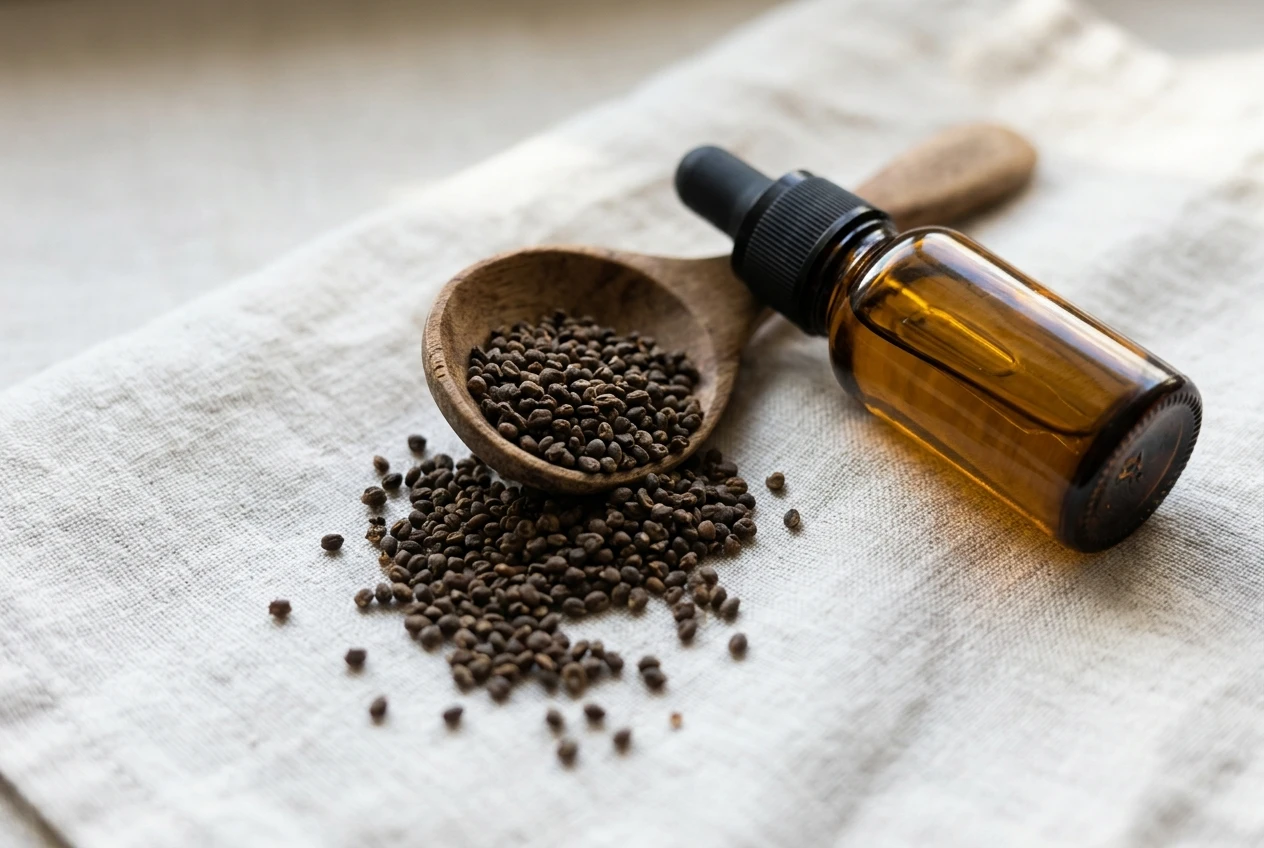
Bakuchiol is a compound taken from the seeds of the babchi plant. It is not chemically a retinoid, but it has been studied for similar visible effects on fine lines, uneven tone, and texture. A few small studies comparing it with retinol reported comparable improvement with less stinging and peeling.
That is encouraging, but keep the limits in view. The studies were small and fairly short, and there is far less long-term data than for retinol. Bakuchiol can still irritate some people, and allergic reactions have been reported, so patch testing matters.
Some practical points:
- You will usually find it in lightweight serums, creams, and facial oils.
- It is not generally described as making skin more sun-sensitive the way retinol can, but daily sunscreen is still essential for lines.
- If you are pregnant or nursing, ask your doctor before using it, because the safety research is limited.
Bakuchiol suits you best if your main goal is softening fine lines and you want something that feels closest to the retinol experience. Expect gradual change over a couple of months, not an overnight difference.
Peptides and niacinamide: the quiet helpers for lines and texture
Peptides
Peptides are short chains of amino acids, the building blocks of proteins such as collagen. In skincare, they are used with the aim of signaling skin to behave more youthfully. The evidence varies a lot from one peptide to another, and marketing often claims more than the research supports.
What they do have going for them is gentleness. They rarely cause the stinging and peeling retinol does, which is why they appear in so many creams and eye products made for reactive skin. Think of them as a supportive, steady option for fine lines and firmness, with realistic expectations: smoother, more hydrated-looking skin rather than dramatic wrinkle erasing.
Niacinamide
Niacinamide is a form of vitamin B3, and it has a good reputation for sensitive skin. It helps support the skin barrier, which means your skin holds on to moisture better and tolerates other products better. It is also used to even out tone, soften the look of enlarged pores, and improve overall texture.
It does not directly target wrinkles the way retinol does. Its benefit for lines is more indirect: healthier, better-hydrated skin looks smoother. A small number of people flush or tingle with higher concentrations, so starting with a lower-strength product is sensible.
Niacinamide also pairs easily with other actives, which makes it a good first step if you plan to add something else later.
Other gentle options worth knowing: vitamin C derivatives, ceramides, and azelaic acid
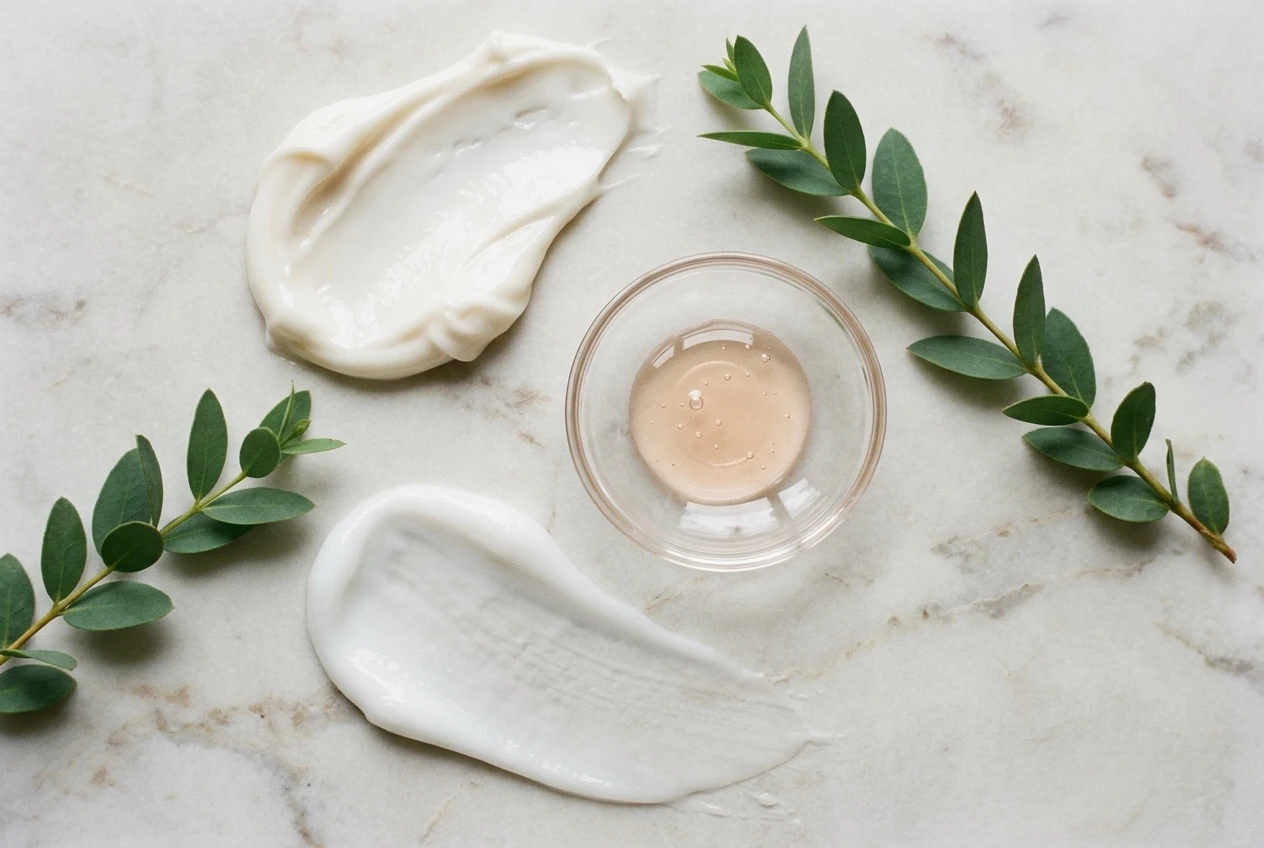
Vitamin C derivatives. Pure vitamin C (ascorbic acid) can sting on sensitive skin. Gentler forms, such as magnesium ascorbyl phosphate, sodium ascorbyl phosphate, and ascorbyl glucoside, are usually better tolerated. They act as antioxidants and can help with dullness and uneven tone over time. They are better for brightening than for deep lines.
Ceramides. These are fats that occur naturally in the skin barrier, and ceramide moisturizers help replace what a stressed barrier is missing. They won’t remove wrinkles. They do plump the look of fine lines through hydration and make skin comfortable enough to tolerate other actives. For many sensitive-skin routines, this is the foundation everything else rests on.
Azelaic acid. This is used for redness, uneven tone, and breakouts, and it is often considered a good fit for reactive skin. Over-the-counter products and prescription strengths both exist. It can tingle at first. It is a useful choice if your concerns include rosiness or post-blemish marks along with lines, but it is not a wrinkle treatment on its own.
If a barrier that feels raw is part of the picture, our post on what to put on your face after your skin gets dried out walks through how to calm things down first.
How to match an alternative to your biggest concern
Pick the active that matches the one thing bothering you most. Trying to fix everything at once makes it hard to tell what is working and harder to find the culprit if your skin reacts.
- Fine lines and crow’s feet: bakuchiol or a peptide product. For the eye area, choose one labeled as safe for eyes, since the skin there is thinner and more reactive.
- Dull, uneven tone: a vitamin C derivative or niacinamide.
- Redness and uneven tone with some breakouts: azelaic acid or niacinamide.
- Dry, crepey-looking skin: ceramides, with a peptide product added later.
- Rough texture and enlarged pores: niacinamide.
If you are unsure where to start, niacinamide and ceramides are the most forgiving choices. If lines are your top concern and your skin tolerates new things reasonably well, bakuchiol is the closest to what you wanted from retinol.
For more ideas aimed at the eye area specifically, see our guide on natural ways to fade dark circles and soften crow’s feet.
How to introduce a new active slowly (and patch test it first)
Even gentle ingredients can cause a reaction, so slow is the right pace. Here is a simple approach.
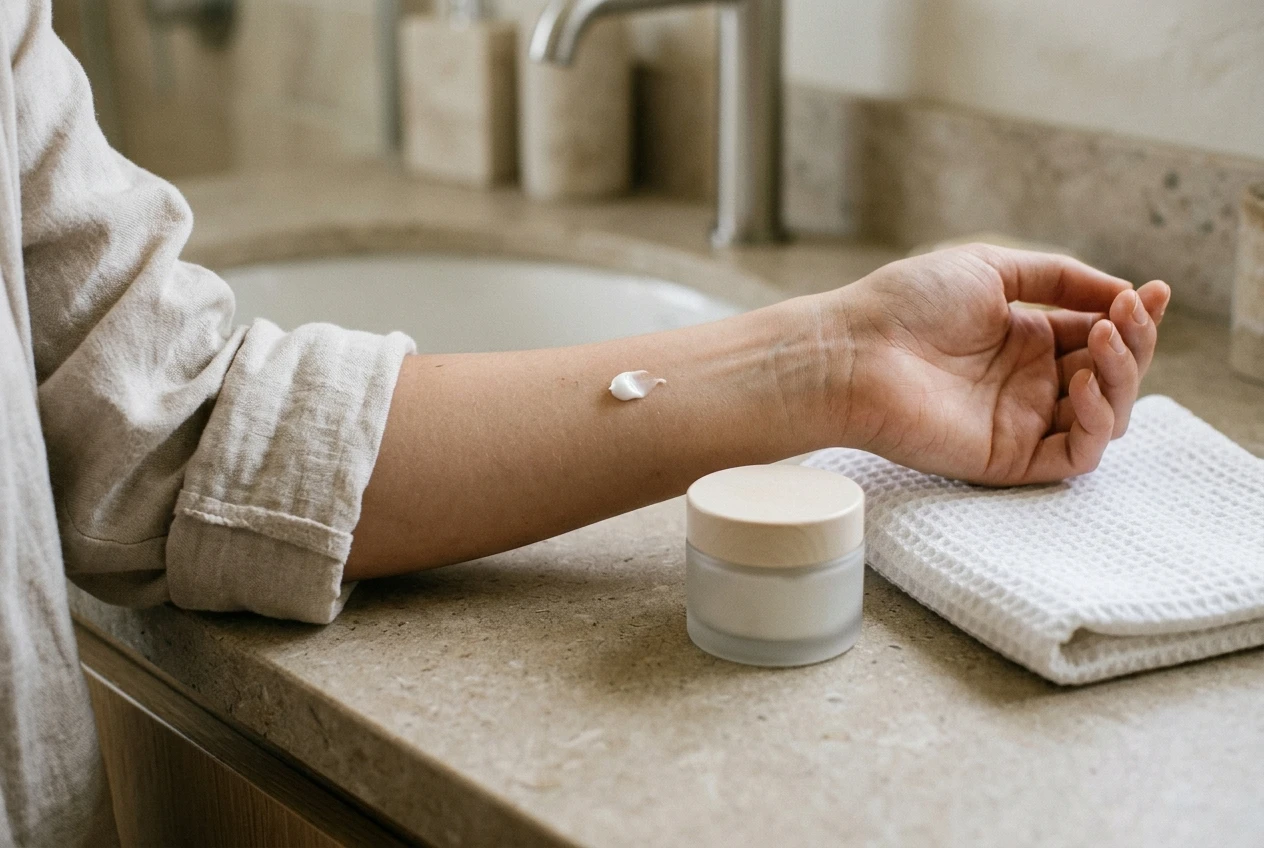
Step through a patch test
- Apply a small amount of the product to a discreet spot, such as the inner forearm or behind the ear.
- Repeat once a day for several days, and watch for redness, itching, swelling, or burning.
- If the spot stays calm, move on to your face. If it reacts, stop and don’t use that product.
Start with a low frequency
- Use the product twice a week for the first one to two weeks, leaving a day or two between applications.
- If your skin stays comfortable, move to every other day.
- Move to daily use only when your skin has stayed calm for a couple of weeks.
Keep everything else plain
While you introduce the new active, keep the rest of your routine to a gentle cleanser, a moisturizer, and sunscreen in the morning. Add only one new product at a time, and wait a few weeks before adding another so you know which one is responsible if something goes wrong. If you need a refresher on keeping things simple, our article on a calmer routine for sensitive skin covers the basics.
Be patient with results
Gentle actives work slowly. Many dermatologists suggest giving a product at least two to three months before judging it, assuming your skin is comfortable. Take a photo in the same lighting at the start and again at the end of that stretch, because day-to-day changes are hard to see.
Stop using the product if you notice burning, swelling, hives, or a rash that spreads. Those are signs it is not right for your skin.
Sunscreen deserves a mention because it does more for fine lines over the years than any serum. Every active here works better when sun damage isn’t undoing it. If breakouts make you wary of sunscreen, we have a post on choosing sunscreen that won’t cause breakouts.
When it’s worth asking a dermatologist about retinol again
Retinol is not off the table forever just because a drugstore product stung. A dermatologist can look at your skin and tell you whether your reaction was about the product, the strength, or the way you were using it. Some people with sensitive skin tolerate retinoids when they start at a low strength, apply them rarely, and pair them with a good moisturizer. A professional can guide that process.
It is also worth booking an appointment if:
- Your skin stays red, itchy, or irritated even after you simplify your routine.
- You have rosacea, eczema, or another condition that makes new products unpredictable.
- You are pregnant, planning a pregnancy, or nursing and want to know which actives are safe for you.
- You want prescription-strength help for lines or tone and are not sure where to begin.
A gentle alternative and a retinoid are not either-or for life. Many women start with a calm, tolerable active, build up a healthier barrier, and revisit stronger options later with professional guidance.
Join our email list for a free gentle-actives cheat sheet and weekly skincare tips delivered with care.